
Single Malt · Islay
Single Malt Distilleries in Islay
Tour 11 single malt distilleries in Islay. Each offers visits, tastings or experiences you can book directly — including Ardnahoe Distillery, Bunnahabhain Distillery, Bowmore Distillery.
11distilleries
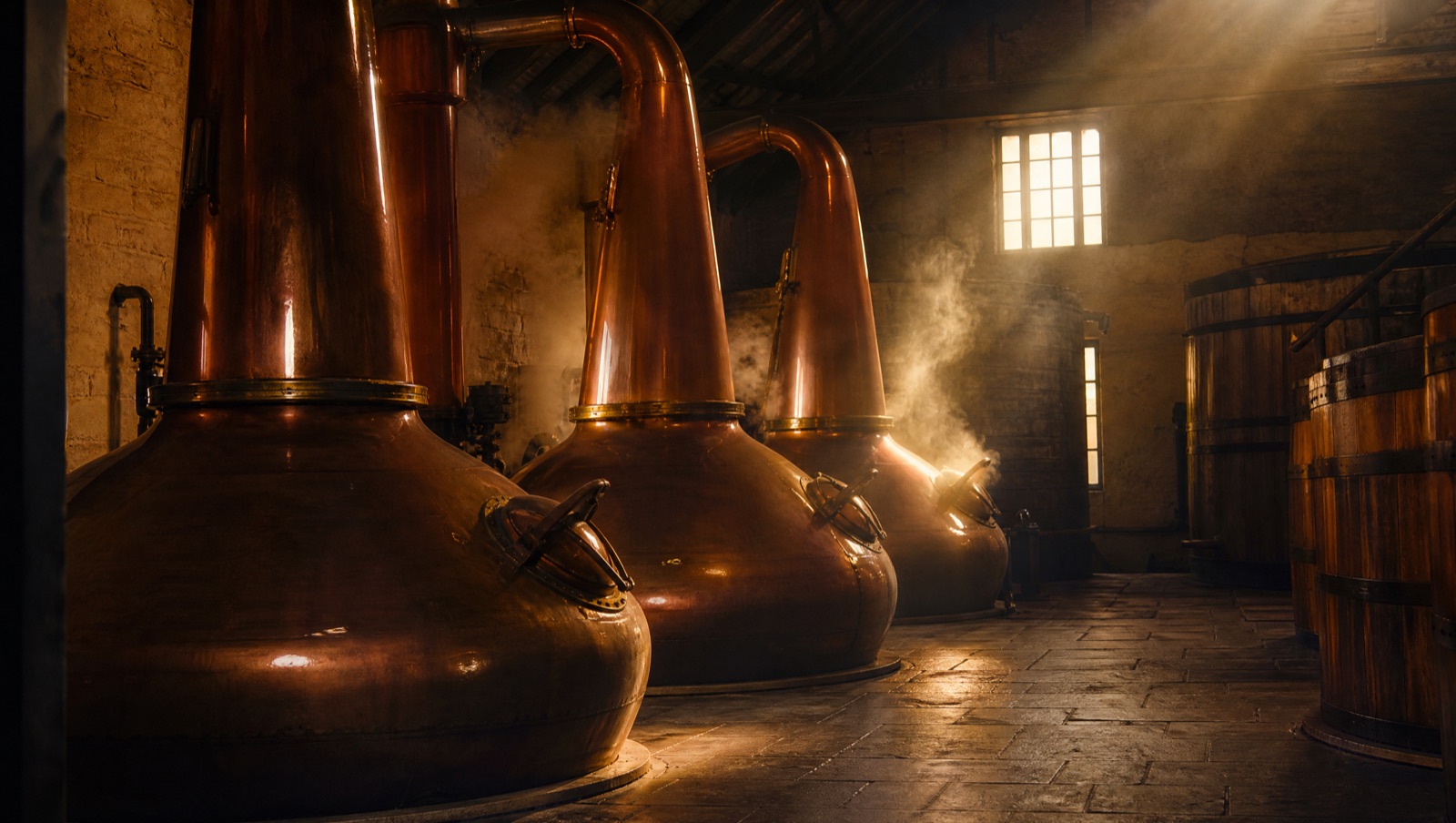
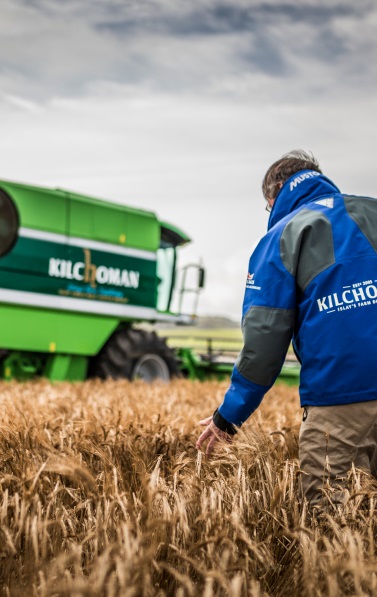
Kilchoman Distillery
Islay farm distillery, field to bottle
About single malt distilleries in Islay
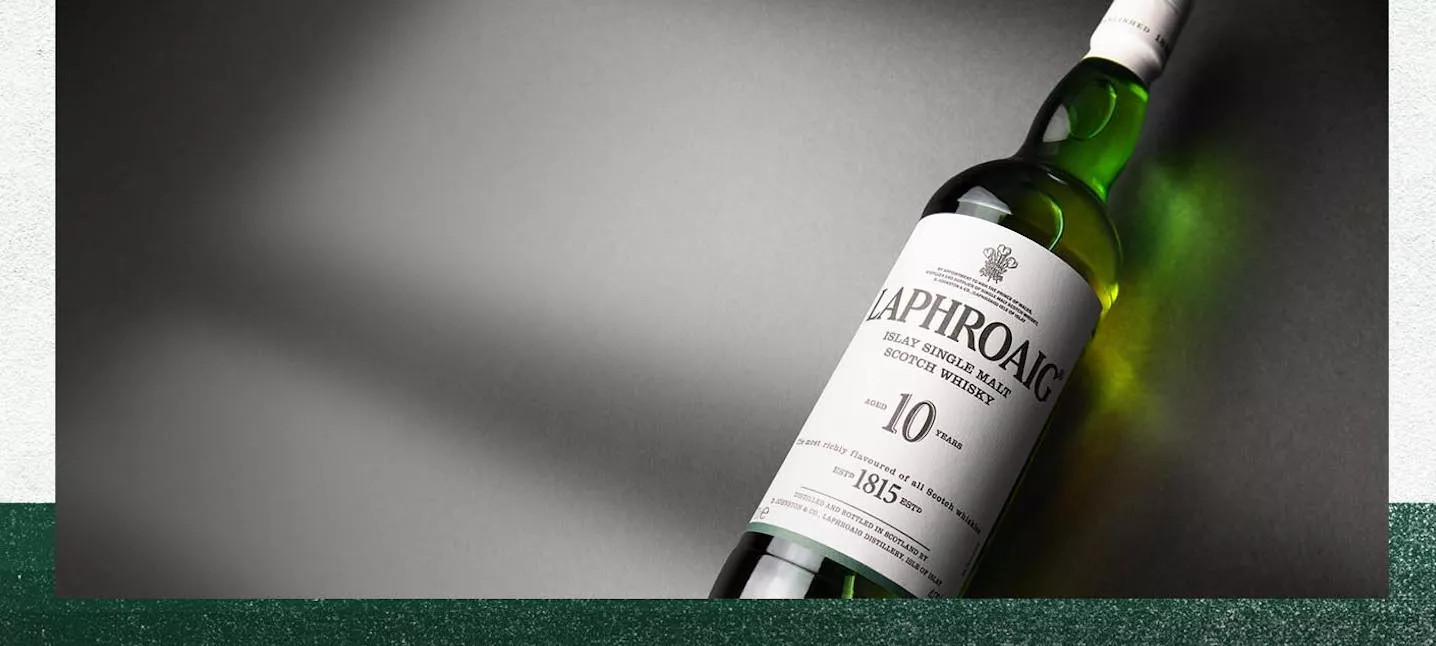
Islay (pronounced "eye-luh") is the small Hebridean island that gave single malt whisky its most uncompromising voice. Barely 25 miles long, it carries an extraordinary concentration of working distilleries, and the eleven gathered here represent the full sweep of its character — from the unapologetically smoky to the gently coastal. The island's signature comes from peat: barley dried over fires of cut Islay turf takes on a distinctive medicinal, maritime smoke that defines names like Ardbeg, Lagavulin and Laphroaig, the famous trio clustered along the southern shore near Port Ellen.
But Islay is not one note. Bunnahabhain and Bruichladdich largely set the peat aside in favour of lighter, brinier, fruit-led spirit, while Bowmore — among the oldest of all, founded in the eighteenth century — sits comfortably in the middle. The line keeps growing: Kilchoman is the island's celebrated farm distillery, Ardnahoe a striking recent arrival above the Sound of Islay, the rebuilt Port Ellen returned after decades of silence, and Laggan Bay the newest name of all.
Tours here range from a straightforward walk through mash house and still room with a couple of drams, to in-depth warehouse tastings drawn straight from the cask. Caol Ila's views over the Paps of Jura alone reward the trip.
What to expect on a tour
Most Islay distillery tours follow the spirit from grain to glass — a look at the malt and mash, the washbacks where fermentation happens, the still room, and one of the dunnage warehouses where casks rest in the salt air. Guides on Islay tend to be islanders or long-serving staff, and the storytelling is genuinely local rather than scripted. Nearly every visit ends in a tasting, typically two or three drams chosen to show a distillery's range; smokier houses such as Ardbeg, Laphroaig and Lagavulin will lean into peat, while Bunnahabhain and Bruichladdich showcase their lighter, more coastal styles.
Beyond the standard tour, many distilleries offer deeper experiences: warehouse tastings where you draw whisky straight from the cask with a valinch, hand-fill bottles, or sit down to compare core expressions side by side. Kilchoman, as a working farm distillery, can show the whole cycle from field to bottle. If you are driving, ask for a driver's dram — most places will package your tastings to take away so you needn't miss out.
Getting there & around
Islay is reached by CalMac ferry from Kennacraig on the Kintyre peninsula, a crossing of roughly two and a half hours that lands at either Port Ellen in the south or Port Askaig on the east coast. Booking vehicle space well ahead is essential in summer and during festivals. Loganair also flies to Islay Airport from Glasgow, which suits a shorter trip, though you will then want a hire car. There are also seasonal sailings linking the island with Oban and neighbouring Jura.
On the island itself a car is the most practical way to reach the distilleries, which are scattered around the coast rather than concentrated in one town. Roads are quiet and scenic but often single-track, so use the passing places and allow more time than the short distances suggest. A local bus service connects the main villages, and Port Ellen's southern trio of Ardbeg, Lagavulin and Laphroaig are close enough to walk or cycle between — a popular car-free option for a tasting-heavy day.
Planning your visit
Distances are short but the experience is unhurried, so resist the urge to cram in too much. Two distilleries a day, with a tour and tasting at each plus travel and lunch, is a comfortable and enjoyable pace; three is achievable if they sit close together, as the Port Ellen group does. Book tours in advance directly through each distillery — popular slots and special experiences sell out, and in winter some sites run only a handful of tours a month.
Allow at least two or three full days to see a representative spread across the island, taking in a heavily peated southern distillery, a gentler one such as Bunnahabhain or Bruichladdich, and one of the newer names. Bring layers and waterproofs whatever the season, and remember that the island has limited accommodation, so book beds as early as you book your drams.
Frequently asked
- How many distilleries can I realistically visit in one day?
- Two is the comfortable, enjoyable number once you factor in tours, tastings, driving on single-track roads and lunch. Three is possible if they are close together — the southern trio of Ardbeg, Lagavulin and Laphroaig near Port Ellen sit within walking distance of one another, which makes them an easy cluster to combine.
- Do I need to book distillery tours in advance?
- Yes. Islay's distilleries are popular and group sizes are limited, so booking ahead through each distillery's own website is strongly advised, especially in summer and around the Fèis Ìle festival. In winter some distilleries cut back to only a few tours a month, so check opening times before you travel.
- How much do tours and tastings cost?
- Prices vary by distillery and depth of experience. A standard tour with a couple of drams is generally modest, while warehouse tastings, cask-strength comparisons and hand-filling experiences cost considerably more. Check current prices when you book, as they change and differ from one distillery to the next.
- Can I still taste whisky if I'm the designated driver?
- Yes. Scotland's drink-driving limit is low, so if you are driving you should not taste and drive. Most Islay distilleries offer a driver's dram — they will bottle your tastings for you to enjoy later — or you can join an organised tour with a driver, hire a taxi, or focus on the walkable Port Ellen distilleries instead.
- Are the distilleries suitable for children and families?
- Distillery grounds, cafés and shops are usually fine for families, and some distilleries have lovely coastal settings to explore. However, formal production tours often have a minimum age for safety reasons inside the working areas, and tastings are adults only. Check each distillery's age policy in advance if you are travelling with children.
- What's the difference between Islay's distilleries — are they all heavily peated?
- No. Islay is famous for big, smoky, maritime whiskies from the likes of Ardbeg, Laphroaig and Lagavulin, but Bunnahabhain and Bruichladdich mostly make lighter, largely unpeated spirit, and Bowmore sits in between. Visiting a mix gives you the full spectrum, from intense peat smoke to gentle, coastal and fruity styles.
- When is the best time to visit Islay?
- Late spring through early autumn offers the most settled weather, the fullest tour schedules and long daylight hours. The Fèis Ìle whisky festival in late May is a highlight but books up far in advance for both tours and accommodation. Winter is quieter and atmospheric, though tours are fewer and ferries are more weather-dependent.