
Distillery tours
Distillery Tours in Islay
Plan a distillery tour in Islay: 11 distilleries to visit, with tastings and experiences you can book directly. Expect Single Malt, Gin and more. Highlights include Ardnahoe Distillery, Bunnahabhain Distillery, Bowmore Distillery.
11distilleries
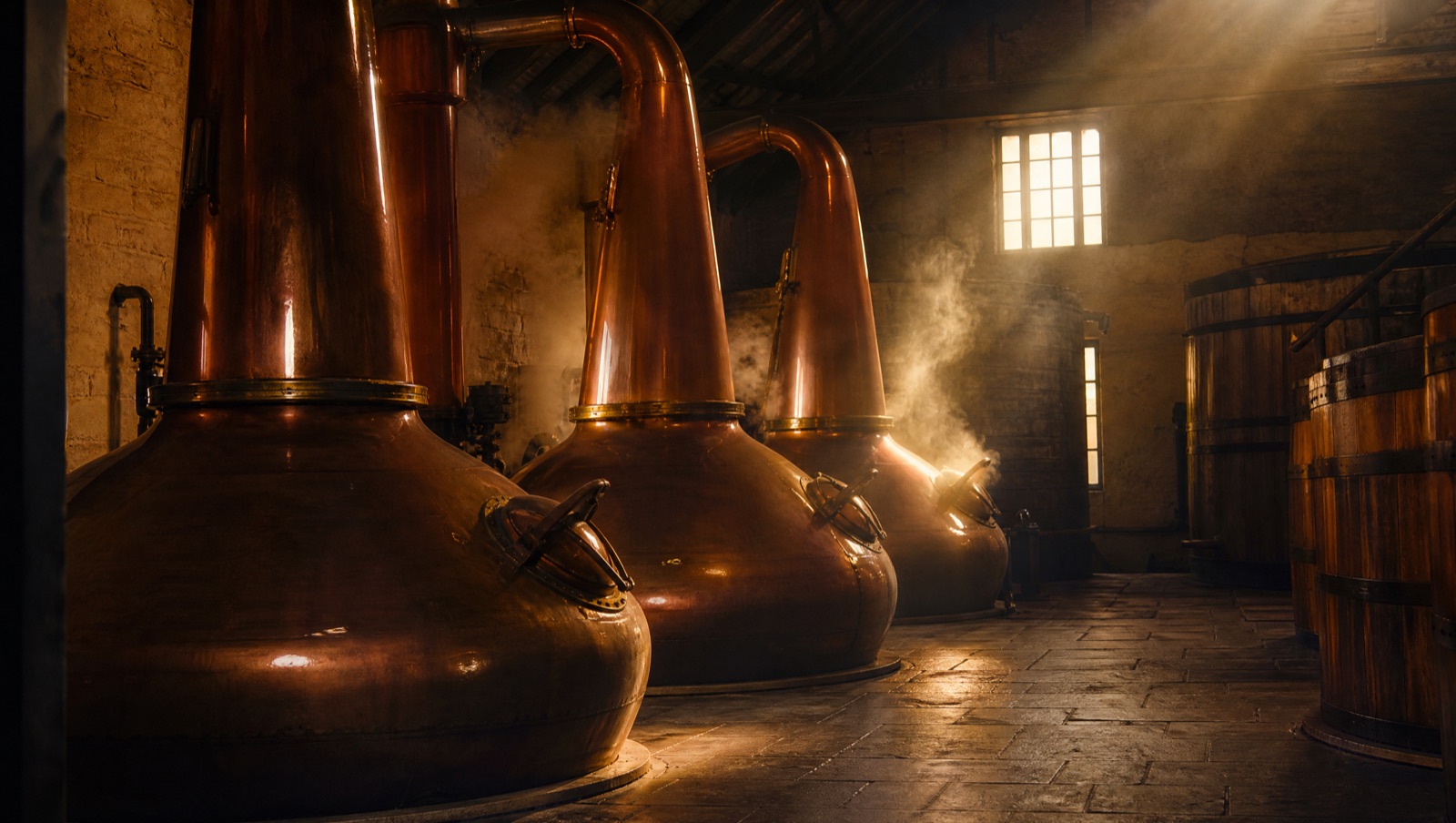
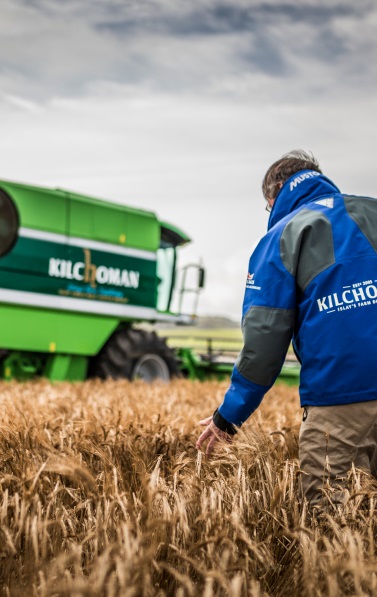
Kilchoman Distillery
Islay farm distillery, field to bottle

About distillery tours in Islay
Islay is the spiritual home of peated Scotch whisky, a small Hebridean island roughly 25 miles by 15 that punches far above its size, with eleven working distilleries listed here and a distilling history stretching back to Bowmore's claimed founding in 1779. The island is poor in trees but rich in peat, and for generations that peat was burned to dry the malted barley, lending the spirit its hallmark smoke, brine and iodine. The famous "Kildalton three" on the southern shore, Laphroaig, Lagavulin and Ardbeg, are the boldest and most medicinal, while the western Rinns offers a different temperament at Bruichladdich and the farm distillery Kilchoman.
For visitors, Islay is unusually generous: most distilleries sit within a short drive of one another, several cluster along single stretches of coast, and the welcome is warm rather than corporate. You can move from the maritime peat of Caol Ila and Bunnahabhain on the Sound of Islay to the gentler, often unpeated drams of Bruichladdich, taking in newer arrivals such as Ardnahoe and Laggan Bay along the way.
Tours range from short standard visits with a tasting flight to in-depth warehouse experiences and cask-draw sessions for serious enthusiasts. Wherever you start, the island rewards a slow, unhurried itinerary.
What to expect on a tour
A typical Islay distillery tour walks you through the full process, from the malting floor or imported malt, through the mash tun and washbacks to the stills and warehouses, before a guided tasting. Because Islay is so closely tied to peat, expect plenty of focus on phenols, kiln drying and the local water, and at distilleries like Ardbeg and Laphroaig the smoke is part of the theatre. Standard tours usually last around an hour to ninety minutes and end with two or three drams.
Many distilleries also run premium experiences: warehouse tastings drawn straight from the cask, deep dives comparing peated and unpeated spirit (Bruichladdich is well known for producing both, alongside its heavily peated Octomore), and seasonal events. Photography is sometimes restricted in production areas for safety reasons, and most sites have a shop and a drivers' dram so non-drinking visitors can take samples away to enjoy later.
Getting there & around
Most visitors travel by Caledonian MacBrayne ferry from Kennacraig in Argyll, itself roughly a three-hour drive from Glasgow. The crossing to Port Askaig takes about two hours. Note that Port Ellen is undergoing a major upgrade and the Islay ferry is running to Port Askaig in the meantime, so check current routing when you book. Flights also operate to Islay Airport from Glasgow for those short on time.
On the island a car is by far the easiest way to link distilleries, though roads are narrow and often single-track, so allow more time than the short distances suggest. A bus service connects the main villages of Bowmore, Port Ellen, Bridgend and Port Charlotte, and many people combine taxis, cycling and walking. Crucially, because Scotland's drink-drive limit is low, plan a designated driver, organised tour or local transport if you intend to taste.
Best time to visit
Late spring through early autumn brings the longest days, mildest weather and fullest distillery opening hours, making May to September the most comfortable window. The island's high point is the Feis Ile festival in late May, when distilleries throw open their doors for special bottlings, music and events; it is exhilarating but extremely busy, and accommodation and tour places sell out far in advance.
Visiting in the quieter shoulder seasons of spring and autumn means fewer crowds and a better chance of relaxed, conversational tours, though some sites reduce hours or close certain experiences in deep winter. Whatever the season, Islay weather is changeable and often wet and windy, so waterproofs and sturdy footwear are sensible year-round.
Frequently asked
- How many distilleries can I realistically visit in a day?
- Two to three is a comfortable, enjoyable pace if you want a proper tour and tasting at each. The southern cluster of Laphroaig, Lagavulin and Ardbeg sit close together, as do Caol Ila and Bunnahabhain on the Sound of Islay, so geography helps. Trying to cram in more usually means rushed visits and a lot of driving on single-track roads.
- Do I need to book distillery tours in advance?
- Yes, particularly in summer and around the Feis Ile festival in late May, when popular tours at Ardbeg, Lagavulin and Laphroaig fill quickly. Booking ahead online is strongly recommended; some smaller or premium experiences run only on certain days, and walk-in availability is never guaranteed.
- How much do Islay distillery tours cost?
- Prices vary by distillery and experience. Standard tours with a tasting are generally modest, while warehouse tastings, cask-draw sessions and connoisseur experiences cost considerably more. Costs change over time, so check each distillery's current pricing when you book rather than relying on figures elsewhere.
- Can I drive between distilleries and still taste the whisky?
- You shouldn't if you're the driver. Scotland has a low drink-drive limit, so even one dram can put you over. Most distilleries offer a drivers' dram in a small sealed bottle to take away, but for genuine tasting on the day, use a guided tour, a taxi, or arrange a designated driver.
- Are the tours suitable for children and families?
- Distilleries welcome families to varying degrees. Children can often join tours and visit shops and cafes, but for safety reasons there may be age limits in production areas, and tastings are obviously adults only. It's worth checking the individual distillery's policy in advance, as rules differ from site to site.
- Are distillery tours accessible for visitors with limited mobility?
- Accessibility varies widely. Some distilleries have steps, narrow stairways and floors that can't be fully adapted, while others offer step-free routes and adjusted tours. Contact the distillery directly before your visit to explain your needs; staff can usually advise on the most suitable experience or alternative arrangements.
- Do I need to stay overnight on Islay?
- To do the island justice, yes. With eleven distilleries and a two-hour ferry crossing each way, day trips are impractical for tasting. Most visitors stay several nights in Bowmore, Port Ellen, Bridgend or Port Charlotte; book accommodation early, especially around the festival, as beds are limited.