
Distillery tours
Distillery Tours in Louisiana
Plan a distillery tour in Louisiana: 8 distilleries to visit, with tastings and experiences you can book directly. Expect Rum, Craft Spirits, Gin and more. Highlights include Lula Restaurant Distillery, Seven Three Distilling Co., Three Roll Estate.
8distilleries



About distillery tours in Louisiana
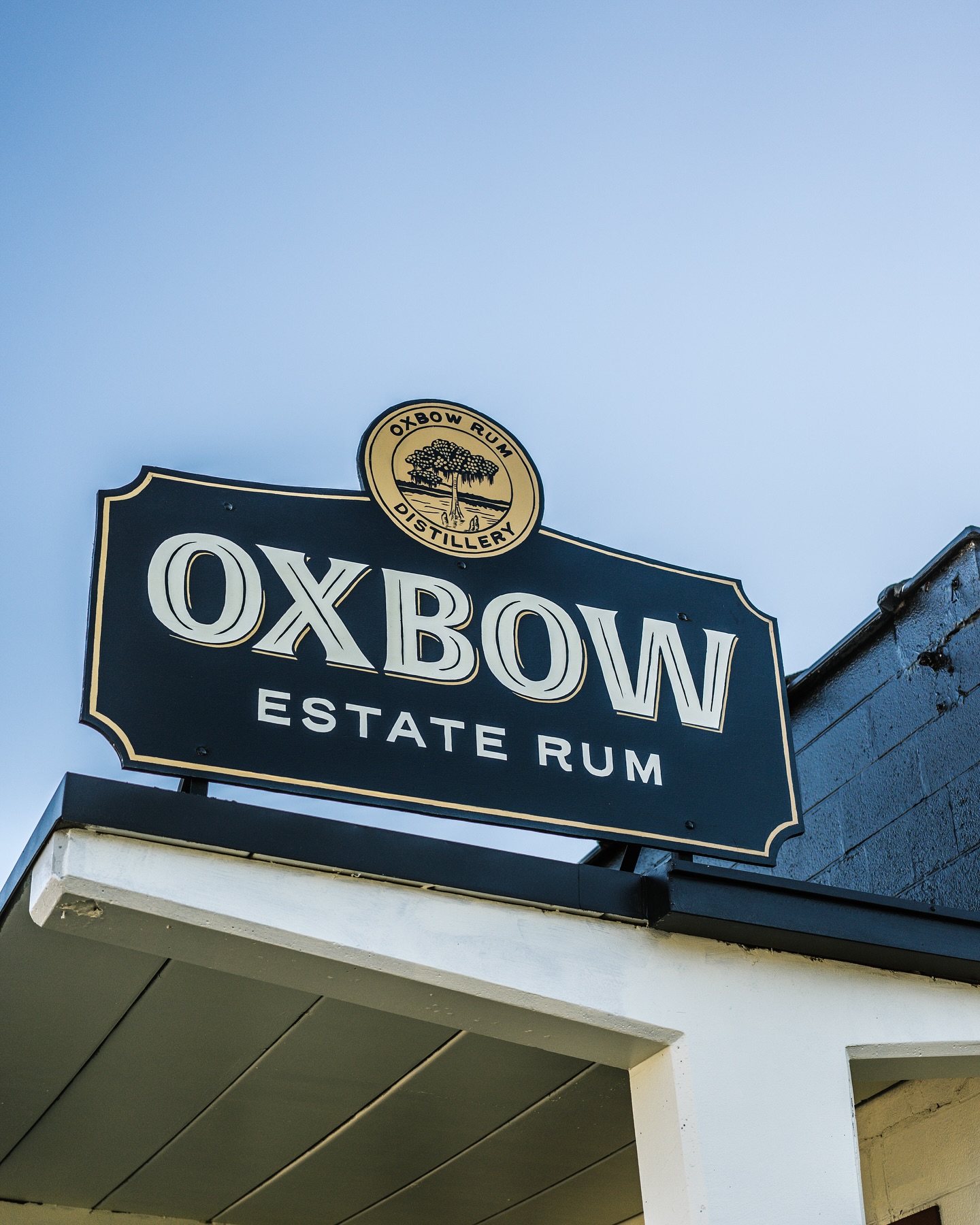
Louisiana is emerging as one of America's most distinctive distilling regions, and its trail has a flavour all its own: sugarcane. With cane fields stretching across the south of the state and a culture built around drinking, Louisiana has become a leading home for craft rum, while New Orleans concentrates an unusually dense cluster of small distilleries within a single city. That makes the trail refreshingly walkable and drivable by American standards. New Orleans alone offers Atelier Vie in Mid-City, Roulaison Distilling Co., Seven Three Distilling Co. in Tremé and the restaurant-distillery Lula. Beyond the city, the trail runs to Lacassine for Bayou Rum, the largest privately owned rum distillery in the country, and to Baton Rouge for Oxbow Rum Distillery, whose single-estate rums (including the Three Roll Estate label) come from the family's own cane. Add Donner-Peltier Distillers in Thibodaux and the picture is complete. Beyond rum you will find gin, vodka, whiskey and even absinthe, all reflecting Louisiana ingredients, from local sugar and rice to neighbourhood history woven into the tours.
Following the Louisiana trail
New Orleans is the obvious starting point and the densest stretch of the trail. Within the city you can string together several distilleries with short drives or rideshares: Seven Three Distilling Co. in Tremé, which weaves the neighbourhood's history into its tours, Atelier Vie in Mid-City with its gin, whiskey and absinthe, the rum-focused Roulaison Distilling Co., and Lula, a Garden District restaurant with its own in-house still. From the city the trail heads west into cane country: Bayou Rum at Lacassine is a major destination distillery, while Baton Rouge brings Oxbow Rum Distillery and its single-estate rums. Thibodaux, between them, adds Donner-Peltier Distillers. Do New Orleans first, then make the rum pilgrimage westward.
Distilleries worth prioritising
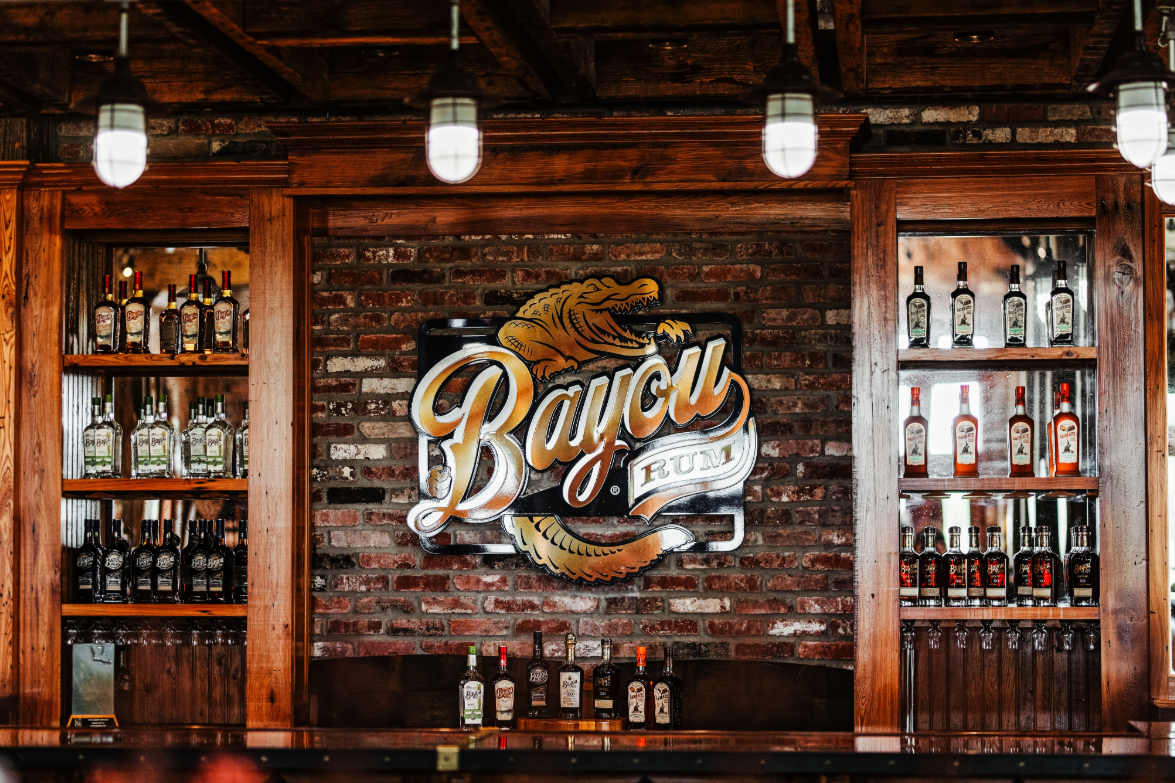
For rum lovers, Roulaison Distilling Co. is often singled out as the most serious option within easy reach of New Orleans, founded by friends set on making rum from Louisiana sugar. Seven Three Distilling Co. is the most rooted in city culture, named for the city's seventy-three neighbourhoods and using locally sourced sugar, rice and grain. For scale and a full destination experience, Bayou Rum at Lacassine is the headline act, distilling from local sugarcane at one of the country's largest rum operations. Oxbow Rum Distillery in Baton Rouge is the single-estate specialist, producing rums from the family's own Pointe Coupée cane. Atelier Vie rounds things out with its broad range, including absinthe, for a taste of New Orleans' spirit-making breadth.
Where to stay & eat nearby
New Orleans is the natural base for the trail's first and richest leg, and there is no shortage of places to stay and eat, from the French Quarter to Mid-City near Atelier Vie. Lula offers the rare chance to dine and taste under one roof in the Garden District. For the western rum run, Baton Rouge makes a convenient overnight for Oxbow Rum Distillery and a launch point toward Lacassine, while the Lafayette area and Cajun Country provide characterful stops for food and lodging if you are heading to Bayou Rum. Thibodaux suits a stop near Donner-Peltier. Wherever you go, Louisiana's food culture means exceptional eating is never far from your tastings.
Getting there & around
New Orleans is the gateway, with the city's airport serving both the urban distilleries and the drive west. Inside the city, distilleries are close enough that rideshares or a designated driver work well, sparing you parking and letting you taste freely. The rum country stops are spread out: Baton Rouge is about an hour or so from New Orleans, while Bayou Rum at Lacassine is a longer run further west toward the Lake Charles area, so a car is essential for that leg. Plan the western distilleries as a separate day or overnight, check opening hours in advance, and note that some producers keep limited or appointment-based schedules.
Frequently asked
- What spirit is Louisiana best known for?
- Rum. The state's extensive sugarcane fields make it a natural home for craft rum, and Louisiana is increasingly recognised as a leading American rum-producing region. You will also find gin, vodka, whiskey and even absinthe.
- Can I visit several distilleries in New Orleans?
- Yes, easily. New Orleans has an unusually dense cluster, including Atelier Vie, Roulaison Distilling Co., Seven Three Distilling Co. and Lula, all reachable with short drives or rideshares, making the city the most walkable part of the trail.
- Which distillery is best for serious rum fans?
- Roulaison Distilling Co. is frequently recommended as the most dedicated rum option near New Orleans. For scale, Bayou Rum at Lacassine is a major destination, and Oxbow Rum Distillery in Baton Rouge specialises in single-estate rums from its own cane.
- Is there a distillery you can eat at?
- Yes. Lula in the Garden District is a New Orleans restaurant with an in-house distillery, so you can enjoy a meal and house-made spirits in the same place, a relaxed option within the city leg of the trail.
- How far is the rum country from New Orleans?
- Baton Rouge is roughly an hour or so west, while Bayou Rum at Lacassine is considerably further toward the Lake Charles area. Plan the western rum distilleries as a separate day or overnight rather than a quick add-on.
- What makes Louisiana rum distinctive?
- It is rooted in local sugarcane, often from named parishes or family estates, as with Oxbow's Pointe Coupée cane. Many distilleries also use other local ingredients, such as Louisiana rice and grain, giving the spirits a strong sense of place.
- Do I need a car for the trail?
- Within New Orleans you can rely on rideshares or a designated driver. For the western rum distilleries in Baton Rouge, Thibodaux and Lacassine, a car is essential, as they are spread across cane country with little public transport.