
Distillery tours
Distillery Tours in Pennsylvania
Plan a distillery tour in Pennsylvania: 10 distilleries to visit, with tastings and experiences you can book directly. Expect Craft Spirits, Gin, Bourbon and more. Highlights include Mason Dixon Distillery, Boardroom Spirits, Dad's Hat Pennsylvania Rye Whiskey.
10distilleries
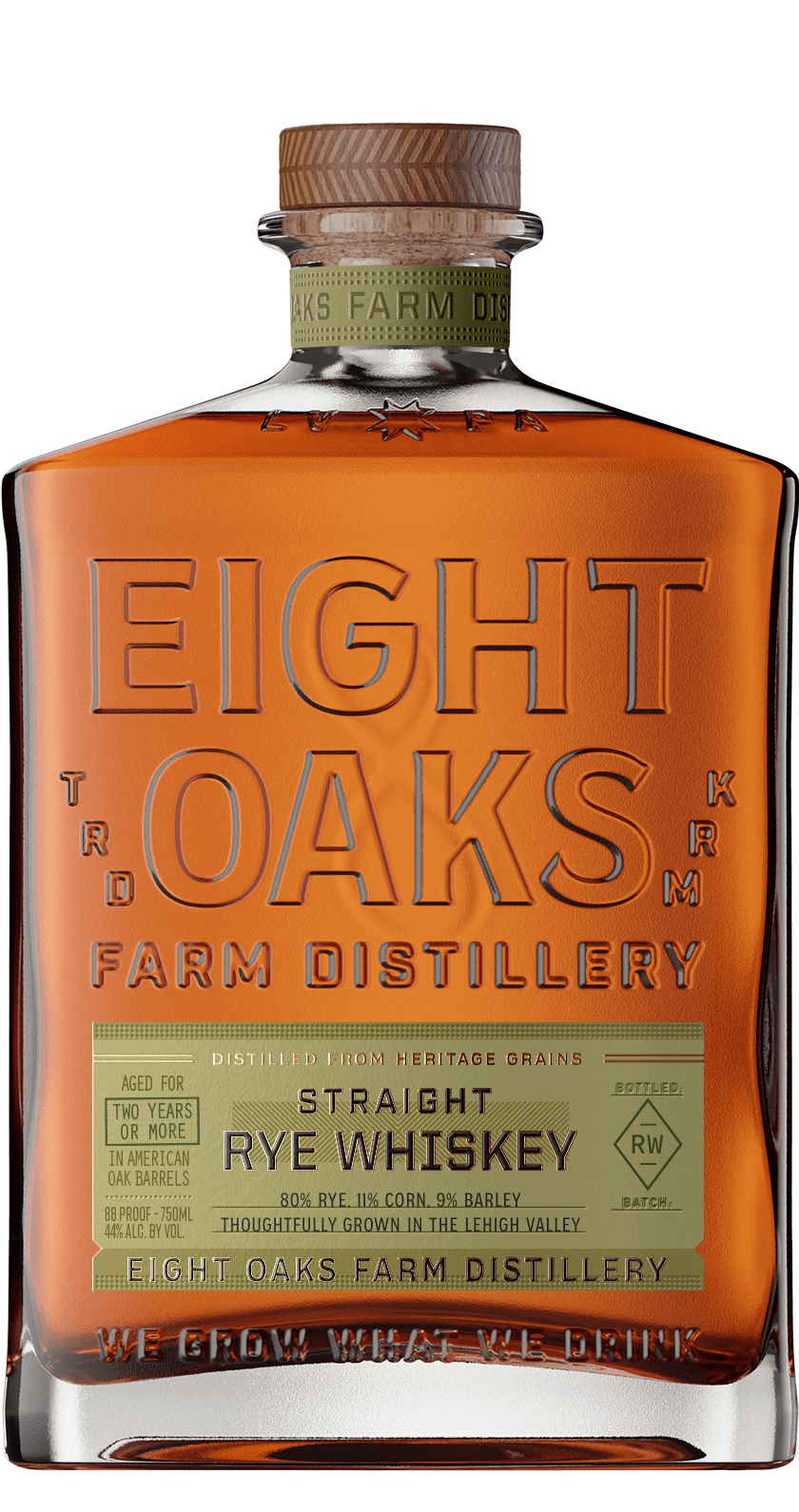
Eight Oaks Farm Distillery
Veteran-owned farm distillery growing its own grain



About distillery tours in Pennsylvania
Pennsylvania has a deeper claim to American whiskey than almost anywhere else. Long before bourbon country found its feet, Monongahela rye flowed out of the western counties, and the state's farmers built a style of robust, spice-forward rye that all but vanished after Prohibition. The last decade or so has seen that legacy reclaimed with real conviction: more than twenty distilleries are once again working with rye, and the wider community now numbers in the dozens. A Pennsylvania trail naturally splits across the state, from Pittsburgh in the west to Philadelphia in the east, with the Lehigh Valley and Lancaster County offering rich stops in between. You can taste velvety pot-still rye at Dad's Hat Pennsylvania Rye Whiskey, farm-grown grain-to-glass spirits at Eight Oaks Farm Distillery, and the multi-award-winning range at Wigle Whiskey, the most decorated craft distillery in the country. Add Pittsburgh's Maggie's Farm Rum and the heritage-minded Stoll & Wolfe, and the throughline becomes clear: this is a state rediscovering a tradition that was genuinely its own. Allow several days, or pick a single region and dig in.
Following the Pennsylvania rye trail
The most rewarding way to read Pennsylvania is as two trails joined by a long, scenic middle. Out west, Pittsburgh is the spiritual heart of the revival: Wigle Whiskey leads with a sprawling portfolio of bonded ryes, wheat whiskeys and honey rum, while Maggie's Farm Rum nearby was the first distillery since Prohibition to bottle Pennsylvania-crafted rum from raw sugarcane. Liberty Pole Spirits, in the southwestern corner, leans into the Scotch-Irish farming heritage of the region with peated bourbon. Travel east and the centre of gravity shifts to Lancaster County and the Lehigh Valley, where Stoll & Wolfe in Lititz and Thistle Finch in Lancaster keep classic styles alive, and Eight Oaks Farm Distillery grows its own corn, wheat, rye and barley. Philadelphia anchors the eastern end, with Dad's Hat, Philadelphia Distilling and Boardroom Spirits clustered around the city. You can do it all in one ambitious loop, but most visitors choose a base, west or east, and build a couple of days around it.
Distilleries worth prioritising
If rye is your reason for coming, make Wigle Whiskey and Dad's Hat Pennsylvania Rye Whiskey non-negotiable; between them they bookend the modern Pennsylvania story and pour the styles that put the state back on the map. For a farm-to-bottle experience, Eight Oaks Farm Distillery in New Tripoli is hard to beat, with its working farmland setting and grain it grows itself. Stoll & Wolfe is a thoughtful stop for anyone interested in the historical thread of Pennsylvania distilling, while Mason Dixon Distillery near the Maryland border and Liberty Pole Spirits reward those happy to range further afield. In the cities, Philadelphia Distilling and Boardroom Spirits broaden the picture beyond whiskey, and Thistle Finch gives Lancaster a characterful, easygoing tasting room. There is more depth here than a single visit can cover, so it pays to choose.
Where to stay & eat nearby
Pittsburgh and Philadelphia both make natural bases with plenty of accommodation and food at every price point, and each puts several distilleries within easy reach of the centre. In the east, Lancaster is a charming, walkable city well placed for the surrounding county distilleries and known for its markets and farm-driven restaurants, while the Lehigh Valley towns near Eight Oaks offer a quieter, more rural stay. Many tasting rooms keep cocktail bars or serve light food, so it is easy to build a relaxed afternoon around a tour. Bear in mind that Pennsylvania has a state-controlled system for spirits retail, so buying bottles to take home is often easiest directly from the distilleries themselves.
Frequently asked
- Why is Pennsylvania associated with rye whiskey?
- Before Prohibition, Pennsylvania produced Monongahela rye, a robust, spice-led style made by the state's grain farmers. Production lapsed for a generation, but a wave of distilleries including Wigle and Dad's Hat revived it over the past decade, and more than twenty Pennsylvania distilleries now make rye.
- Should I base myself in Pittsburgh or Philadelphia?
- Either works well. Pittsburgh suits a western trail around Wigle Whiskey, Maggie's Farm Rum and Liberty Pole Spirits, while Philadelphia anchors an eastern route taking in Dad's Hat, Philadelphia Distilling and Boardroom Spirits. Lancaster and the Lehigh Valley sit between the two.
- Can I visit a working farm distillery?
- Yes. Eight Oaks Farm Distillery in New Tripoli grows its own corn, wheat, rye and barley on site, making it one of the state's clearest grain-to-glass experiences. It sits in the Lehigh Valley, convenient for the eastern half of the trail.
- Can I buy bottles to take home from the distilleries?
- In most cases, yes. Spirits retail in Pennsylvania runs through a state-controlled system, but distilleries are generally able to sell their own bottles directly, so picking up favourites on site is usually the simplest option.
- How many days do I need for a Pennsylvania distillery trip?
- To cover both ends of the state comfortably, plan on three to four days given the distances involved. If you would rather not drive across the state, choose one region, west or east, and spend a relaxed couple of days exploring it.
- Do these distilleries make anything besides whiskey?
- Plenty. Maggie's Farm specialises in rum, Eight Oaks makes vodka, gin, applejack and an agave-style spirit, and Philadelphia Distilling and Boardroom Spirits range across gin and other categories, so there is something for every palate.